Kitchen Remodel Hidden Problems and Mistakes to Avoid in Ocala
Kitchen remodel hidden problems are surprises found once demolition starts. They sit behind walls, under floors and inside old plumbing and wiring. The most common are water damage, outdated wiring, rotted subfloors and mold. Most budget overruns also come from change orders, not from the original price. A contingency of 10 to 20 percent and a written change order process protect you.
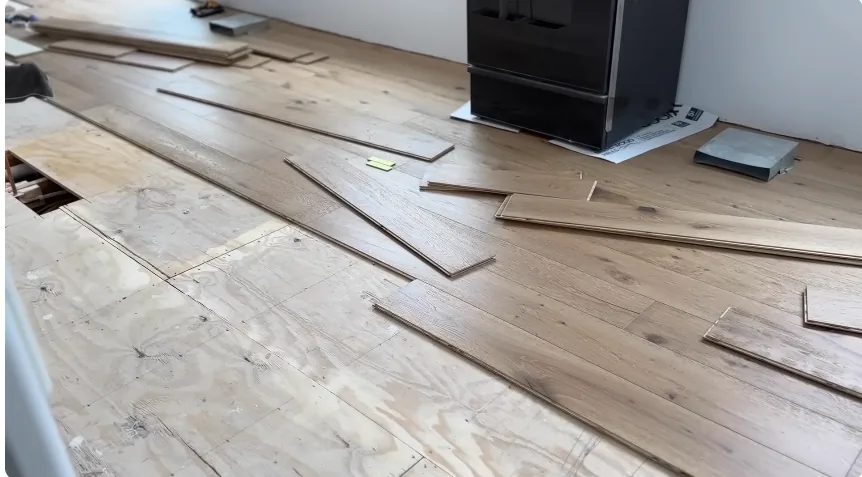
What Happens When the Cabinets Come Out and the Floor Is Soft?
Picture this illustrative scenario. The old cabinets are out and the crew presses on the floor by the sink. It gives. The schedule stops and a repair line appears that was never in the budget. Nobody did anything wrong. The problem was simply hidden. What matters is whether your contract and budget were ready for it.
In short, plan a 10 to 20 percent contingency, finalize selections early and sign every change order. Start at the Kitchen Remodeling Ocala homepage for an overview of our services.
What Will You Learn in This Guide?
This guide covers the problems that raise the price of a remodel after the contract is signed. You will see what crews find behind walls in Florida homes. You will learn which planning mistakes homeowners regret most. You will also learn how to set a contingency. You will also learn how to handle a change order and what to do when something goes wrong.
- The hidden problems found most often when walls and floors come open
- The planning mistakes that cause the biggest regrets
- How a contingency and a change order process work
- What Florida law says about permits, deposits and liens when trouble starts
- A checklist to use before demolition day
Pair this guide with the kitchen remodel cost guide and the kitchen remodel timeline. Then your budget and schedule both have room for surprises.
What Hidden Problems Show Up When a Kitchen Is Opened?
Kitchen remodel hidden problems appear because walls, floors and cabinets cover decades of wear. A leaking drain, an overloaded circuit or a soft subfloor cannot be seen during a walkthrough. Once demolition starts, the crew finds the real condition of the room. Florida adds heat, humidity and storms, which make moisture issues more common than in drier states.
| Hidden problem | Where it hides | Why it matters | Typical response |
|---|---|---|---|
| Water damage and rot | Under the sink, behind the dishwasher, under the old floor | Weak subfloor cannot carry new cabinets and stone | Cut out damaged wood, fix the leak, then rebuild |
| Mold | Behind wet drywall and inside cabinet bases | Health risk and a stalled schedule | Stop work, remove affected material, dry the area |
| Outdated wiring | Inside walls and the panel | New appliances can overload old circuits | Add circuits or upgrade the panel to code |
| Old or corroded plumbing | Supply lines and drains in the wall | Leaks can ruin new finishes | Replace worn lines while the wall is open |
| Uneven or sagging floors | Under the old flooring | Cabinets and countertops will not sit level | Level or sister the framing before install |
| Pests and termite damage | Wall cavities and under cabinets | Weakens framing and trim | Treat first, then repair the wood |
| Old materials | Flooring, adhesives and textured ceilings in older homes | May need testing and special handling | Test before disturbing and follow the rules |
Not every home has every problem. A newer Ocala home may open up clean. An older home, or one with a past leak, is more likely to surprise you.
How Do Water Damage and Mold Affect a Kitchen Remodel?
Water is the most expensive of all kitchen remodel hidden problems. A slow leak under a sink can soften the cabinet base and the subfloor for years before anyone notices. Damp wood and drywall also grow mold in warm Florida air. If the crew finds either one, the work stops until the source is fixed and the area is dry.
What signs suggest moisture before you start?
- A musty smell inside the sink cabinet
- Swollen or stained cabinet bottoms
- Soft spots or bounce in the floor near the sink or dishwasher
- Peeling paint or bubbling drywall on nearby walls
- Water stains on the ceiling below, if the kitchen is on an upper floor
How should you plan for it?
Ask your remodeler to check these areas during the estimate visit. Ask how they handle damage found after demolition and who pays for the repair. Request that the contract list moisture repair as a separate line item, not a vague allowance. Choose moisture resistant materials near the sink and dishwasher. Plywood cabinet boxes handle humidity better than particleboard, and you can learn more on our kitchen cabinets page.
What Electrical and Plumbing Surprises Are Common?
Electrical and plumbing issues are the next most common surprise. Older kitchens often have too few circuits for modern appliances. A dishwasher, microwave, refrigerator and induction range can all demand their own dedicated circuit. If the panel is full or outdated, an upgrade may be required before the permit can pass inspection.
Which electrical problems come up most?
- Not enough dedicated circuits for the new appliances
- Ungrounded outlets or mixed old and new wiring
- A panel with no spare breaker spaces
- Missing safety protection in wet areas that current code expects
Which plumbing problems come up most?
- Corroded shutoff valves that fail when touched
- Drain lines with the wrong slope or poor venting
- Supply lines that need replacing before a new sink goes in
- A sink moved to an island, which needs new drain and vent work
Electrical and plumbing work must be done by licensed trades in Florida, and it requires a permit. Read our Marion County kitchen remodel permit guide to see how inspections work.
What Is the Biggest Kitchen Remodel Mistake Homeowners Regret?
The biggest kitchen remodel mistake is starting without a complete plan. Unfinished selections, a vague scope and no written change process cause most budget overruns. Consumer Reports has reported that change orders add about 10 percent to the cost of the average remodel. Planning mistakes often cost more than kitchen remodel hidden problems do.
| Mistake | What goes wrong | How to avoid it |
|---|---|---|
| Starting before selections are final | Late choices cause change orders and idle crews | Choose cabinets, counters, sink, faucet and appliances before day one |
| Ordering cabinets late | The schedule stalls for weeks while you wait | Order as soon as the contract is signed |
| Buying appliances after the design | Oversized units do not fit the opening | Get exact appliance specs before cabinets are built |
| Too little storage and counter space | The new kitchen feels worse than the old one | Plan drawers, pull outs and landing space beside the range and fridge |
| Too few outlets and poor lighting | Daily use becomes frustrating | Plan outlets and under cabinet lighting early |
| Letting the contractor decide placement | Dishwasher, trash and sink end up in awkward spots | Approve a drawn layout in writing |
| Skipping the contingency | Any surprise forces a hard choice | Hold back 10 to 20 percent of the budget |
| Hiring on price alone | Low bids often leave out items that return as extras | Compare itemized estimates side by side |
For help with the last point, read our guide on how to choose a kitchen remodeler.
How Much Contingency Should You Set Aside?
Set aside 10 to 20 percent of your total budget as a contingency. Use the lower end for a newer home with a simple scope. Use the higher end for an older home, a moved sink or a wall removal. A contingency is not extra spending. It is protection for the surprises that no one can see before demolition.
| Home and scope | Suggested cushion | Why |
|---|---|---|
| Newer home, same layout | About 10 percent | Fewer unknowns behind the walls |
| Older home, same layout | About 15 percent | Older wiring and plumbing are more likely to need work |
| Layout change or wall removal | 15 to 20 percent | Structural, plumbing and electrical changes add unknowns |
Take a $40,000 budget with a 15 percent cushion. You plan to spend $34,000 on the planned work and keep $6,000 ready. If nothing goes wrong, you keep the money. Our Ocala kitchen remodel cost guide shows how those planned numbers break down.
How Do Change Orders Work and How Do You Control Them?
A change order is a written agreement to change the scope, price or schedule after the contract is signed. It should state what changes, what it costs and how many days it adds. Never approve extra work by phone or text alone. A clear change order process is the best protection against surprise bills.
This table shows who usually pays in common situations. Your contract decides the final answer. For timing effects, see the kitchen remodel timeline.
| Situation | Who usually pays | What to put in the contract |
|---|---|---|
| Hidden water damage found after demolition | Homeowner, through a signed change order | A unit price for rot repair and a rule for approval |
| Work the contractor left out of the scope | Often the contractor, if the scope clearly included it | A detailed scope list with named items |
| Your own late selection change | Homeowner | A cutoff date for final selections |
| Permit or code upgrade required by inspection | Depends on the contract wording | A clause that says who handles code corrections |
| Delay from storms or supply issues | Shared, based on the delay clause | A written storm and delay clause, see the remodeler checklist |
What should every change order include?
- A plain description of the change and the reason for it
- The exact price, split into labor and materials
- Any added days to the schedule
- The new total contract price
- Signatures from you and the contractor before work begins
How can you reduce change orders?
- Finish all selections before the contract is signed
- Ask for a fixed scope list, not a vague allowance
- Approve the drawn layout and the appliance specs in writing
- Ask how the contractor prices hidden damage before demolition starts
- Keep your own copy of every signed change order
What Does Florida Law Say When a Remodel Goes Wrong?
Florida law protects homeowners, but only if the contract and paperwork are in order. Under Florida Statute 489.126, a first payment over 10 percent of a residential contract triggers deadlines. The contractor must apply for the permit within 30 days. Work must start within 90 days after permitting, unless the contract says otherwise. A violation can be treated as theft.
- Contracts signed by an unlicensed contractor are generally unenforceable, under Florida Statute 489.128
- Unpermitted work can cause trouble at resale and with insurance and financing
- The Homeowners Construction Recovery Fund may help in limited cases
- Unlicensed activity can be reported to DBPR at 1-866-532-1440
Keep every payment tied to progress. Ask for lien releases from the contractor and major suppliers each time you pay. Chapter 713 of the Florida Statutes covers construction liens. Unpaid suppliers can place a claim on your home even if you paid the contractor. Read the full rules on our remodeler selection guide.
What Should You Do If Something Goes Wrong?
Stop, document and communicate in writing. Take photos of the problem. Send the contractor a dated email describing it and asking for a written plan. Keep paying only for completed work that passes inspection. If the dispute continues, contact DBPR, review your contract and talk with a Florida construction attorney.
- Photograph the problem and the surrounding area
- Write a dated email that names the issue and asks for a plan
- Review the scope, change orders and payment schedule in your contract
- Hold the next payment until the work is corrected and inspected
- Contact DBPR or an attorney if the contractor will not respond
- Do not pay the final amount until the punch list is done and liens are released
What Is the Pre-Demolition Checklist?
- Confirm the contractor license on the DBPR site
- Get a signed contract with scope, schedule, payment plan and change order process
- Confirm the permit is applied for or issued
- Finalize every selection and order cabinets early
- Check appliance sizes against the cabinet openings
- Set a contingency of 10 to 20 percent
- Ask the crew to inspect the sink, floor and panel before demolition
- Plan a temporary kitchen setup so the schedule can absorb a surprise
Our kitchen remodel process shows how each step is checked before the next one begins.
Frequently Asked Questions About Kitchen Remodel Hidden Problems
What is the most common kitchen remodel mistake?
The most common mistake is starting without final selections and a clear scope. Late choices create change orders, delays and surprise costs. Finalize cabinets, counters, sink and appliances before the contract is signed.
What is the biggest kitchen remodel regret?
Homeowners most often regret too little storage, too few outlets, poor lighting and skipping a contingency. Many also regret hiring on price alone and then paying for extras.
How do you handle change orders?
Put every change in writing before work starts. The document should state the change, the price, the added days and the new contract total. Both sides should sign it.
What happens when something goes wrong during a kitchen remodel?
Document the problem with photos and a dated email, review your contract and hold payment for unfinished or incorrect work. If the contractor does not respond, contact DBPR or a construction attorney.
What hidden problems can a kitchen remodel uncover?
Kitchen remodel hidden problems include water damage, mold, rotted subfloor, outdated wiring, old plumbing, uneven floors and pest damage. Older homes are more likely to have them.
How much contingency should I add to a kitchen remodel budget?
Plan on 10 to 20 percent. Use about 10 percent for a newer home and a simple scope. Use 15 to 20 percent for an older home or a layout change.
Who pays when hidden damage is found?
The homeowner usually pays, because the contract price covers the planned scope. A good contract lists how hidden damage is priced and requires a signed change order before repair work begins.
Will a kitchen remodel need a permit in Florida?
Most kitchen remodels that involve electrical, plumbing or structural work require a permit. Cabinets, countertops and painting alone often do not. Confirm with the Marion County or Ocala building office.
Can mold stop a kitchen remodel?
Yes. If mold is found, work should pause until the moisture source is fixed and affected material is removed. Then the schedule resumes.
Should I live at home during a kitchen remodel with a hidden problem?
You can, but a major find such as mold or a structural repair may call for a short stay elsewhere. Plan a temporary kitchen so a delay does not leave you without meals.
Are You Ready to Plan Around Kitchen Remodel Hidden Problems?
Kitchen remodel hidden problems cannot be eliminated, but they can be planned for. Keep a contingency, finalize selections early, sign every change order and verify your contractor before paying. Those four habits keep a surprise from becoming a crisis. Which part of your kitchen worries you most, the plumbing, the wiring or the budget?
Want a clear scope and a written plan before you commit? Request a free estimate and ask us how we handle surprises.
Ready for the next step? Browse all remodeling guides or read about a full kitchen remodel.